12 Wildly Overhyped Myths About Smart Water Box Scam Reviews and Complaints 2026 USA — What Buyers Finally Need To Hear Before Clicking “Buy Now”
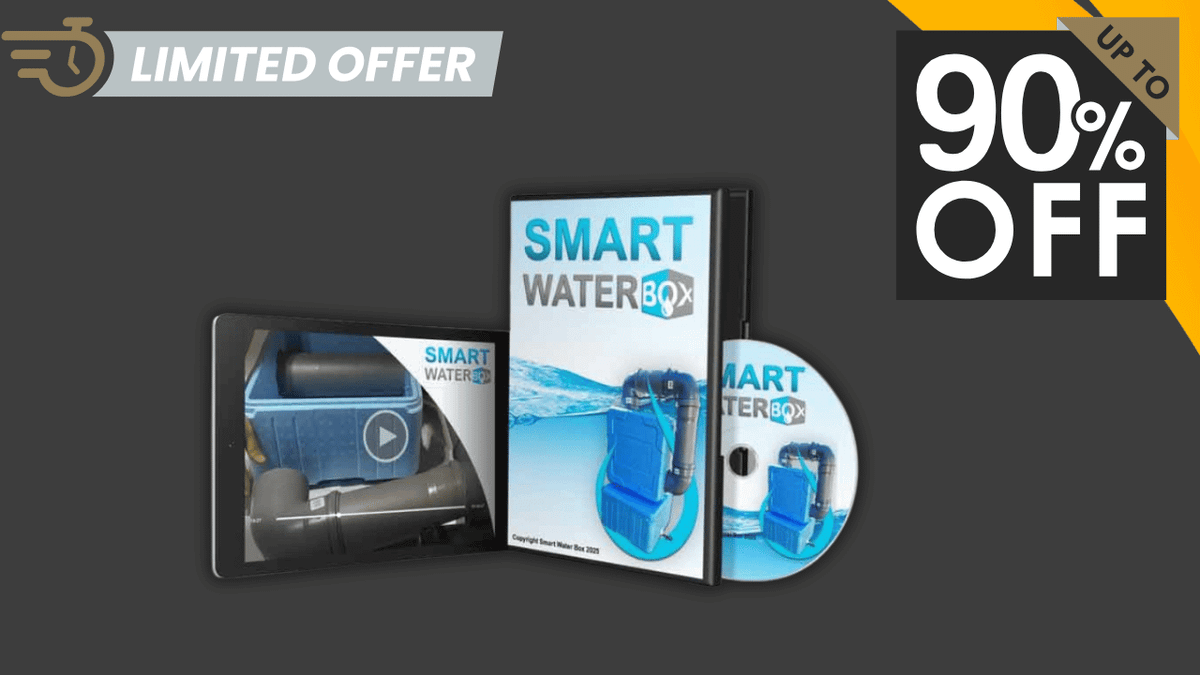
⭐ Ratings: 5/5 ⭐⭐⭐⭐⭐ (according to many promo-style pages online)
📝 Reviews: Over 20,000 glowing reviews, emotional testimonials, prepper-forum debates, survival-blog comments, and “THIS CHANGED MY LIFE” reactions that honestly sound a little too cinematic sometimes
💵 Original Price: $149
💵 Usual Price: $39
💵 Current Deal: $39 — although these “limited-time” deals seem to last longer than avocado trends and some celebrity relationships combined
⏰ Results Begin: Depends on humidity, climate conditions, electricity access, setup quality, maintenance, patience, luck maybe… reality basically
📍 Made In: Not always explained clearly on every sales page which, let’s be honest, feels slightly annoying
🧘♀️ Core Focus: DIY atmospheric water generation, emergency preparedness, survival-style independence from traditional water systems
✅ Who It’s For: USA homeowners, off-grid enthusiasts, emergency preppers, rural families, curious DIY people, and mildly stressed Americans watching drought headlines at midnight
🔐 Refund: Usually promoted with money-back guarantees — but read the actual policy carefully before your emotions grab your wallet by the throat
🟢 Our Say? Interesting concept. Maybe genuinely useful for certain people in certain environments. BUT… the internet myths surrounding Smart Water Box in 2026 USA have become bigger than reality itself. Like a balloon animal made entirely from fear, hype, and aggressive marketing energy.
The internet is exhausting now.
Not always. Sometimes it’s funny. Cat videos still exist. Tiny goats in pajamas still exist, thankfully. But when it comes to survival products, emergency-water systems, and anything remotely connected to fear — wow. Things get weird fast.
One minute you’re casually reading about water shortages in the USA, maybe scrolling through wildfire updates or another article about aging infrastructure somewhere in the Midwest, and then BAM… suddenly some ad appears telling you that a “military-inspired Smart Water Box” can free your family from dependence on public water forever. The soundtrack in those videos always sounds like drums from the end of civilization. Every single time.
And honestly? Part of me understands why people get emotionally pulled in.
Water insecurity feels personal. Drought headlines hit differently when you live in parts of the USA already struggling with extreme weather. Add inflation, emergency-preparedness culture, power-grid anxiety, social media fear spirals, and YouTube survival influencers yelling in front of pickup trucks — now you’ve got a perfect recipe for emotional buying decisions. Feels dramatic saying that, but it’s true.
That’s why myths spread so easily around smart water box scam Reviews and Complaints 2026 USA.
People don’t just buy products anymore. They buy stories. Safety. Certainty. Control. Hope. Sometimes fantasy too. Especially fantasy. Humans LOVE fantasy. We’re basically emotional raccoons wearing smartwatches and pretending we make purely logical decisions.
So today we’re pulling apart the biggest myths surrounding Smart Water Box — not with screaming conspiracy energy, but with grounded thinking, practical reality, a little sarcasm, and maybe some uncomfortable honesty. Because the truth usually sits somewhere between:
“THIS IS A MIRACLE!”
and
“THIS IS THE END OF CIVILIZATION!”
The truth is almost always less exciting than the internet wants it to be.
Still important though.
Like sleep. Or checking if your gas tank is actually empty before panicking.
Anyway… let’s expose the myths.
Myth #1: “If Thousands of Reviews Say Smart Water Box Is Legit, Then It Must Be Perfect.”
This myth spreads online like wildfire near dry grass.
People see:
⭐⭐⭐⭐⭐
“I love this product!”
“Highly recommended!”
“Reliable!”
“No scam!”
“100% legit!”
…and immediately their brain goes into comfortable little vacation mode.
Now listen carefully because this part matters more than most buyers realize:
Positive reviews are NOT meaningless.
Some users may genuinely love the product. Absolutely possible. But modern online review culture is messy — deeply messy. Like trying to untangle Christmas lights while emotionally unstable and holding iced coffee.
The FTC even increased focus on deceptive testimonials and fake reviews because manipulated online praise became such a widespread issue in America.
That alone should make people pause for a second.
Real reviews usually sound human. Imperfect. Slightly annoyed sometimes. Maybe contradictory.
Something believable sounds like:
“Worked reasonably well in humid Florida weather but setup took longer than expected.”
That feels real.
But when every review sounds like:
“This revolutionary miracle transformed my family forever and restored my belief in freedom!”
…okay. Maybe breathe first before pulling out your debit card like you’re defusing a bomb.
And honestly, emotional testimonials can be sincere while still being incomplete. That’s the weird thing people forget. A person can genuinely feel excited AND still not fully understand long-term maintenance, humidity limitations, power usage, or water-quality concerns.
Humans are emotional creatures. I once convinced myself I needed a $70 camping lantern because the product video had calming piano music and a guy drinking coffee near a lake at sunrise. I don’t even camp that much. Marketing works.
The Reality Nobody Likes Hearing
Review quantity matters less than review depth.
Smart USA buyers should look for:
- actual setup photos
- climate-specific experiences
- realistic complaints
- independent demonstrations
- long-term usage details
- water testing information
- maintenance discussions
Perfect reviews are suspicious sometimes. Real life usually includes inconvenience. That’s just how existence works. Even pizza burns occasionally.
Myth #2: “Military-Inspired Technology Means It Will Work Everywhere.”
Ah yes. The phrase “military-grade.” Internet marketing’s favorite cologne.
Military-grade flashlight. Military-grade backpack. Military-grade coffee mug probably. Somewhere out there a guy named Rick is definitely selling military-grade beard oil from a garage in Arizona while standing beside a dusty Jeep.
Smart Water Box marketing leans HARD into survival energy:
- military-inspired systems
- emergency independence
- off-grid water freedom
- futuristic preparedness
It’s emotionally powerful. Especially in the USA where emergency-preparedness culture has exploded over the last few years. Drought concerns. Wildfires. Hurricanes. Infrastructure worries. It all creates emotional vulnerability — and marketing absolutely knows this.
But dramatic language is not scientific proof.
Atmospheric water generation is real. Water can absolutely be pulled from humid air under certain conditions. Dehumidifiers literally prove this every day. Science is not the issue.
The issue is overhype.
Because some buyers emotionally interpret:
“military-inspired”
…as:
“works flawlessly in every environment forever.”
Nope.
Humidity matters. Temperature matters. Airflow matters. Maintenance matters. Electricity matters. Physics stubbornly refuses to care about patriotic marketing slogans.
A setup in humid Louisiana might perform very differently than one in dry Nevada air. Nature doesn’t negotiate with hype. Which feels strangely poetic. Like rain ignoring motivational speeches.
The More Grounded Reality
Forget dramatic labels and ask practical questions:
- What humidity level is required?
- What’s the realistic output?
- How much electricity is needed?
- Has the water been independently tested?
- Can beginners realistically build this?
- What are the limitations?
Because honestly? Honest limitations often make products MORE trustworthy. Weird but true.
A company pretending something is perfect all the time starts feeling suspicious after a while. Like someone smiling too hard during a handshake.
Myth #3: “Smart Water Box Completely Replaces Every Emergency Water Plan.”
This myth sounds emotionally comforting. That’s why it spreads.
The internet LOVES miracle narratives:
“One secret solution!”
“One hidden breakthrough!”
“One trick THEY don’t want you to know about!”
Very dramatic. Very YouTube-thumbnail energy.
But real emergency preparedness doesn’t work that way. Real preparedness is usually boring. Storage containers. Backup plans. Maintenance schedules. Water purification tablets sitting in drawers collecting dust like tiny insurance policies against chaos.
Not exactly cinematic.
No single product should become your ONLY water strategy.
Especially not in the USA where environmental conditions vary wildly:
- hurricanes in Florida
- droughts in California
- winter freezes in Texas
- flooding in parts of the South
- aging infrastructure in older cities
Preparedness works best in layers.
Stored water. Portable filters. Backup power. Purification methods. Emergency planning. Maybe atmospheric water systems too — if suitable.
But online discussions around Smart Water Box sometimes drift into fantasy territory. Like people expect it to create infinite magical water forever while bald eagles circle overhead dramatically.
Relax.
Why This Myth Is Dangerous
Overconfidence creates vulnerability.
If buyers emotionally assume:
“This solves everything,”
…they may neglect:
- emergency storage
- backup filtration
- purification supplies
- contingency plans
- realistic climate expectations
And nature has a very cruel sense of humor when humans become overconfident. History proves this repeatedly.
The Smarter Truth
Treat Smart Water Box as ONE possible tool — not a magical answer to civilization itself.
Because emergency planning should reduce risk, not create emotional dependence on one product marketed through adrenaline and dramatic voiceovers.
Myth #4: “If The Website Looks Professional, It Must Be Legit.”
This myth feels ancient now.
In 2026, beautiful websites are cheap. AI tools exist. Templates exist. Countdown timers exist. Fake urgency exists. Emotional marketing formulas exist. A scammer can build a polished-looking page faster than I can choose cereal in a grocery store aisle.
Appearance means less than people think.
Some Smart Water Box-style sales pages look like trailers for a Hollywood disaster movie:
- dramatic blue lighting
- survival imagery
- giant warning headlines
- countdown clocks
- emotionally overloaded testimonials
Everything feels urgent. Civilization itself apparently hangs by a thread held together with patriotism and duct tape.
That emotional pressure affects people. Especially anxious buyers already worried about water insecurity in the USA.
Why This Myth Misleads Buyers
Professional design creates emotional trust.
Humans subconsciously think:
“Well… this LOOKS official.”
But aesthetics alone don’t answer:
- Is there transparent company information?
- Are refund policies clear?
- Is customer support reachable?
- Are claims independently verified?
- Is the product format explained honestly?
A shiny website without transparency is like a beautifully wrapped mystery box sitting alone in a dark parking lot.
Looks nice though.
The Reality-Based Truth
Trust evidence over aesthetics.
Buyers should evaluate:
- independent reviews
- refund clarity
- support quality
- technical explanations
- realistic limitations
- transparency
Substance matters more than cinematic internet theater.
Always.
Myth #5: “Anyone Asking Questions Is Just Being Negative.”
This myth might be the most emotionally manipulative of all.
Modern internet culture turned products into sports teams. Either worship them completely or attack them viciously. Nuance disappeared somewhere around the same time people started recording dance videos inside grocery stores.
If someone asks:
“Can I see independent testing?”
Suddenly they’re called a hater.
If someone says:
“Humidity conditions matter…”
Apparently they hate innovation now.
Ridiculous.
Healthy skepticism is smart. Actually, skepticism may be one of the most important survival skills consumers in the USA can develop right now.
Because emotional marketing has become incredibly sophisticated. Smart Water Box discussions tap directly into:
- water insecurity fears
- infrastructure anxiety
- rising utility costs
- emergency-preparedness culture
- climate uncertainty
Those fears are real. Which is EXACTLY why buyers should think carefully instead of emotionally spiraling into panic-purchases at midnight.
The Better Perspective
Ask difficult questions:
- Is this a physical product or digital guide?
- What are the real long-term costs?
- How difficult is setup?
- Is water quality independently tested?
- What maintenance is required?
- Does it need electricity constantly?
Trustworthy products survive scrutiny.
Weak marketing campaigns avoid it like cats avoiding bathwater.
Why These Myths Keep Spreading Across America
Here’s the deeper emotional truth underneath all this chaos:
People are tired.
The USA has experienced years of disaster headlines, economic stress, environmental fears, infrastructure worries, supply-chain problems, inflation anxiety — all layered together like emotional lasagna nobody ordered.
That environment makes certainty feel incredibly attractive.
So when a product promises:
“security,”
“control,”
“independence,”
“preparedness,”
…people emotionally lean toward it.
That doesn’t make buyers stupid.
It makes them human.
But emotional vulnerability mixed with aggressive internet marketing creates myth after myth after myth. And algorithms reward emotional intensity beautifully. Calm analysis spreads slower online than panic and hype. Always has.
Still important though.
Like sunscreen. Most people ignore it until things get painful.
Stop Letting Fear-Based Marketing Borrow Your Brain
The internet rewards loudness now. Not patience. Not nuance. Definitely not calm thinking.
The loudest voices discussing smart water box scam Reviews and Complaints 2026 USA are usually the least balanced. One side screams:
“MIRACLE BREAKTHROUGH!”
The other side screams:
“TOTAL SCAM!”
Meanwhile reality sits quietly in the middle drinking cold coffee while everyone else fights in comment sections like emotionally dehydrated raccoons.
Smart buyers don’t blindly trust glowing reviews.
They also don’t panic because of scary accusations.
They investigate.
They verify claims.
They compare evidence.
They inspect refund policies carefully.
They question emotional marketing narratives.
They think slower than the internet wants them to think.
That’s how intelligent decisions happen now.
And honestly? Learning how to resist online manipulation may be one of the most valuable modern survival skills of all. Once you stop emotionally reacting to every dramatic headline and fake urgency timer, something changes mentally. You become calmer. Harder to pressure. More difficult to manipulate.
It feels strangely peaceful.
Like finally leaving a noisy casino after hours of flashing lights and screaming slot machines.
So yes — maybe Smart Water Box genuinely helps certain people in certain conditions. Maybe some buyers sincerely believe it’s reliable, highly recommended, no scam, 100% legit.
But confidence should come from evidence.
Not internet mythology wrapped in survival-themed advertising and emotional adrenaline.
That’s the real difference between smart buying… and getting hypnotized by hype.
FAQs About Smart Water Box Scam Reviews and Complaints 2026 USA
1. Is Smart Water Box actually a scam?
There isn’t enough verified public evidence to automatically label it a scam. However, buyers should absolutely research carefully before purchasing. Verify refund terms, realistic output expectations, humidity requirements, and whether the product is a digital guide or physical system.
2. Can Smart Water Box really create water from air?
Yes, atmospheric water generation is scientifically real. But performance depends heavily on humidity, temperature, airflow, power availability, and setup quality. Results in humid USA states may differ dramatically from dry climates.
3. Why are people searching for Smart Water Box complaints in 2026 USA?
Most people want clarity beyond emotional marketing. Common concerns include refund confusion, unrealistic expectations, setup difficulty, maintenance questions, unclear product formats, and uncertainty about long-term performance.
4. Should USA buyers trust online reviews completely?
No. Reviews can help, but buyers should focus on detailed evidence instead of emotional praise alone. Look for setup photos, videos, climate-based experiences, balanced criticism, and realistic long-term user feedback.
5. What’s the smartest way to evaluate Smart Water Box?
Slow down before buying. Research humidity requirements, power usage, refund policies, maintenance expectations, water safety, and independent demonstrations. Emotional urgency is terrible financial advice — even if the sales page soundtrack sounds dramatic enough to win an Oscar.
Related Hastags
#SmartWaterBox #SmartWaterBoxScam #SmartWaterBoxReview #SmartWaterBoxReviews2026 #SmartWaterBoxAppReview2026 #SmartWaterBoxBonus #SmartWaterBoxProduct #SmartWaterBoxPrice #SmartWaterBoxOffers #SmartWaterBoxBonuses #SmartWaterBoxBuy #SmartWaterBoxWebsite #SmartWaterBoxSite #SmartWaterBoxApp #SmartWaterBoxHonestReviews #SmartWaterBoxLatestReviews #SmartWaterBoxUsersExperience #SmartWaterBoxUsersReview #SmartWaterBoxDemo #SmartWaterBoxTutorial #SmartWaterBoxPurchaseOnline #SmartWaterBoxBuyit #SmartWaterBoxFraud #SmartWaterBoxWarning #SmartWaterBoxComplaint #SmartWaterBoxAlert